


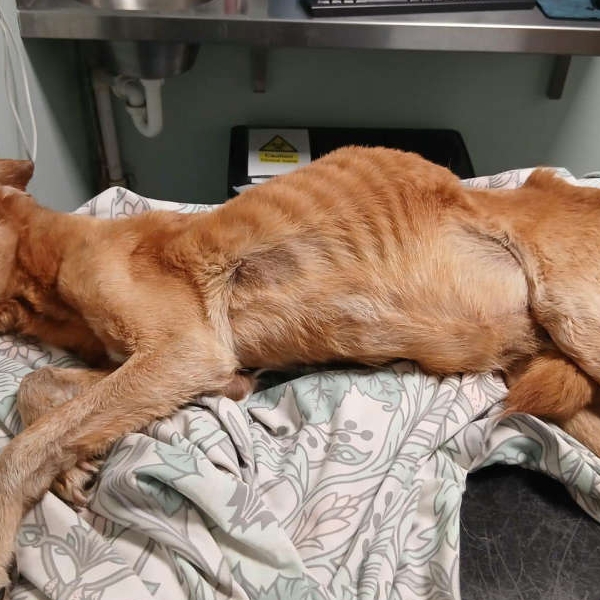
A clinical report on the dog's condition, seen by Kfm, details how blood tests confirmed the dog is diabetic, with extremely high glucose levels. However, the clinical report from July 13th also states: “Uncontrolled diabetes unlikely to have caused this emaciation alone.”
A veterinary report seen by Kfm has cast doubt on Garda claims that diabetes alone explained the poor condition of a dog seized by Gardaí in Co. Laois and brought into the care of a Kildare animal rescue.
The female dog was removed from a property and brought to a vet by volunteers from the Kildare Animal Foundation.
Over a week later, however, the dog was removed from the care of the welfare team and brought back to its owner.
A Garda spokesperson told Kfm that a member of the Garda attended that appointment, but this claim has now been disputed by a volunteer at Kildare Animal Foundation.
They said no Garda member attended the appointment.
A clinical report on the dog's condition, seen by Kfm, details how blood tests confirmed the dog is diabetic, with extremely high glucose levels.
However, the clinical report from July 13th also states: “Uncontrolled diabetes unlikely to have caused this emaciation alone.”
This appears to contrast with a Garda statement which said the dog’s “frail appearance” was consistent with diabetes and that a vet had deemed the animal in “acceptable” condition to return home.
The report states that the dog was weak, lethargic, emaciated, and dehydrated.
It detailed how the dog is estimated to be middle-aged, with bilateral cataracts.
The vet recorded a heart rate of 120 and respiratory rate of 45 on 12 July. Two days later, a note described respiratory effort as"‘a little increased."
A 120 heart rate is the upper limit of the normal range for a dog of its size.
It also noted a high white blood cell count (suggestive of inflammation or infection).
Despite the dog's condition on arrival, it responded well to initial treatment, showing increased appetite and energy by 14 July.
On arrival, however, she was deemed “very weak, lethargic and malnourished. Emaciated, dehydrated.”
She remained fragile, the report stated, with "scant" subcutaneous tissue and mild respiratory effort, and required continued stabilisation and care.
Following the dog's release from the vet, Kildare Animal Foundation volunteers took the dog into their care.
Gardai from Laois showed up at the premises and requested that the dog be returned but volunteers refused.
This prompted Gardai to obtain a warrant; they returned the following day and took the dog back to its owner.
Gardaí said they are "satisfied" the dog is receiving appropriate care and will continue to "monitor" the situation.
Kfm has contacted Gardai for further clarity.
 Water Outage In Place For Maynooth And Straffan Tomorrow
 Kfm Obituary Notices
 Nationwide Fuel Protest Continues Into Third Day
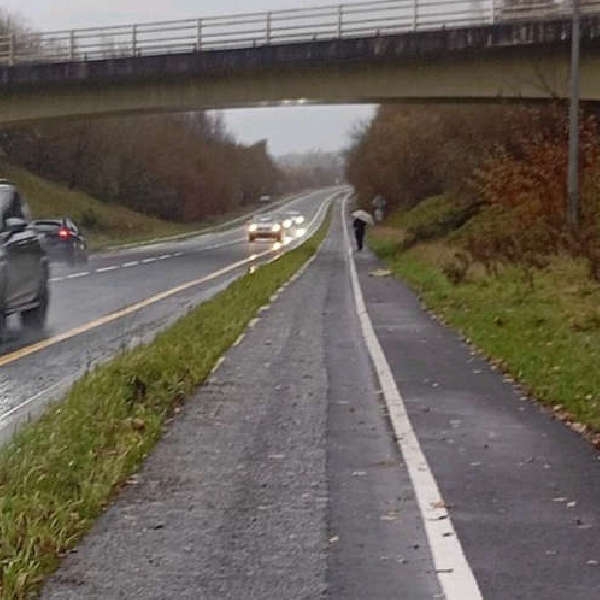 "I Don't Think Anybody Is Going To Really Listen To Us Until Somebody Dies On That Road": Criticism Of Moone-Timolin Cycleway Continues
 International Wholesale Prices Are "Not Price Gouging", Says CCPC
 Costs Of Home Heating Oil Up By 67.5 Per Cent Between February and March
 91-Year-Old Lelia Doolan To Arrive In Monasterevin Today As Part Of Her Walk For Peace
 Over €400,000 Awarded To Repair And Protect Three Kildare Heritage Structures