


The living wage will be set at 60% of the median wage in any given year.
The minimum wage will be phased out by 2026 and replaced by a new living wage, the Cabinet has agreed.
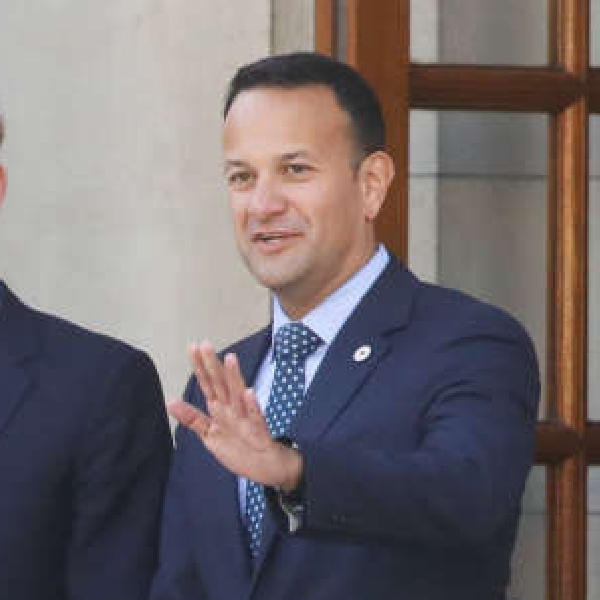
Tánaiste Leo Varadkar brought a memo to Cabinet proposing the living wage be set at 60% of the median wage in any given year.
The national minimum wage is currently €10.50 an hour.
Depending on the existing economic conditions of the time, the exact living wage would depend on the median wage in a given year.
However, the Department of Enterprise gave indicative figures illustrating how progress to a full living wage would be achieved by 2026 based on current projections.
That would see the living wage set at €12.17 an hour in 2022, €12.54 in 2023, €12.92 in 2024, €13.30 in 2025, €13.70 in 2026.
The proposal to introduce a 'Living Wage' is based on recommendations and research gathered by the Low Pay Commission.
The Tanaiste says he foresees a bump in people's pay once the living wage is introduced.
Leo Varadkar says it will certainly be an increase on where we are at the moment:
 Families Could Face €1,000 Rise In Annual Food Bills Amid Farming Crisis
 Over Half of Cigarette Packs Surveyed In Newbridge And Naas Had No Irish Duty Paid
 Celbridge Brewery CEO Warns Of Mounting Costs Facing Craft Beer Sector
 Amhrán na Laoch Songwriting Competition Confirmed for Irish Music Month 2026
 Government Announces Major Overhaul of Anti-Money Laundering Rules
 Maynooth University Hosts Special Solar Eclipse Event This Evening
 Johnstown Mother Says Today's Solar Eclipse Means Something Extra Special For Her And Her Son
 Three Men Detained In Kildare And Dublin Garda Stations Following Brothel Keeping And Organised Prostitution Arrests