


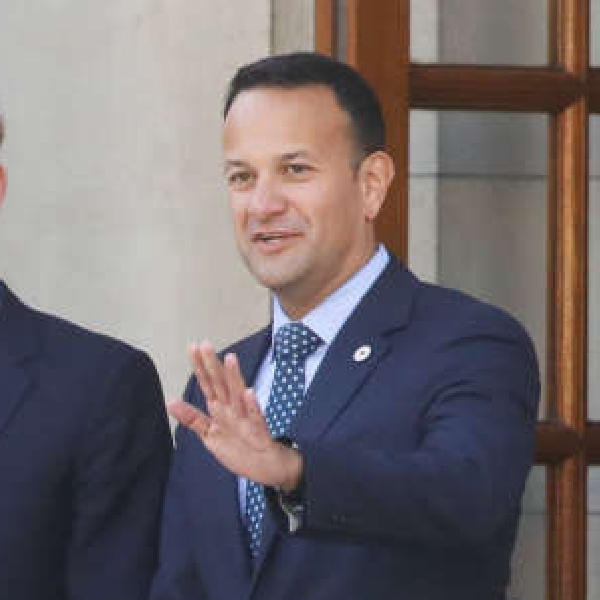
The living wage will be set at 60% of the median wage in any given year.
The minimum wage will be phased out by 2026 and replaced by a new living wage, the Cabinet has agreed.
Tánaiste Leo Varadkar brought a memo to Cabinet proposing the living wage be set at 60% of the median wage in any given year.
The national minimum wage is currently €10.50 an hour.
Depending on the existing economic conditions of the time, the exact living wage would depend on the median wage in a given year.
However, the Department of Enterprise gave indicative figures illustrating how progress to a full living wage would be achieved by 2026 based on current projections.
That would see the living wage set at €12.17 an hour in 2022, €12.54 in 2023, €12.92 in 2024, €13.30 in 2025, €13.70 in 2026.
The proposal to introduce a 'Living Wage' is based on recommendations and research gathered by the Low Pay Commission.
The Tanaiste says he foresees a bump in people's pay once the living wage is introduced.
Leo Varadkar says it will certainly be an increase on where we are at the moment:
 IHREC Says Child Trafficking Is Under-Identified In Ireland
 TikTok Says It Has Removed Less Than 30 Videos Related To Wrong-Way Driving Since M9 Crash In Moone
 Man (29) Remanded On Bail For Allegedly Driving His Car At Numerous People In Skerries
 Minister Lawless Pushes For Rent-A-Room Scheme Expansion
 Tánaiste Indicates Carbon Tax Cuts On Home-Heating Oil
 Seven In Ten Young Adults Considering Emigrating
 Research Highlights High Level Of Energy Drink Consumption Among Young People
 Taoiseach And Ministers To Travel To New York For UN General Assembly