



Up 109% from Its Lowest point.
The average rent in Kildare is now €1544, €20 above the national average, according to a report published by Daft.ie.
Rents in Dublin's commuter counties rose 9.1% year-on-year, reflecting very low availability, just 195 homes were available to rent on February 1, down over a quarter year-on-year.
In Kildare, rents were on average 8.9% higher in the final quarter of 2021 than a year previously.
In Kildare the average listed rent is now €1544, up 109% from its lowest point.
Nationwide rents in the final quarter of 2021 were an average of 10.3% higher than the same period in 2020, according to the latest Rental Report by daft.ie.
The average monthly rent nationwide between October and December was €1,524, up 3% on the first quarter and double the low of €765 per month seen in late 2011.
Nationwide, there were just 1,397 homes available to rent on February 1st, a new all-time low in a series that extends back over fifteen years to January 2006.
The recent fall in homes to rent reflects a further tightening of supply in Dublin, where just 712 homes were available to rent on February 1st, less than one quarter of the average seen for February over the last two decades.
The report found that outside Dublin, supply improved marginally between November and February but with just 685 homes to rent, availability is less than one third of the pre-pandemic level of February 2020 and one twentieth the level seen a decade ago.
The report indicates that regional trends in rents point to a readjustment in rental demand.
The report indicates that regional trends in rents point to a readjustment in rental demand.
Personal Finance Editor, Irish Independent, Charlie Weston spoke with Ciara Noble on Wednesday's Kildare Focus:
 Water Outage In Place For Maynooth And Straffan Tomorrow
 Kfm Obituary Notices
 Nationwide Fuel Protest Continues Into Third Day
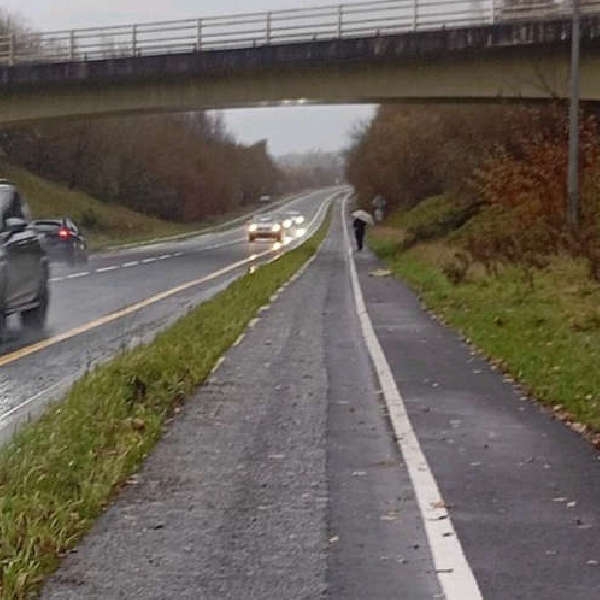 "I Don't Think Anybody Is Going To Really Listen To Us Until Somebody Dies On That Road": Criticism Of Moone-Timolin Cycleway Continues
 International Wholesale Prices Are "Not Price Gouging", Says CCPC
 Costs Of Home Heating Oil Up By 67.5 Per Cent Between February and March
 91-Year-Old Lelia Doolan To Arrive In Monasterevin Today As Part Of Her Walk For Peace
 Over €400,000 Awarded To Repair And Protect Three Kildare Heritage Structures