


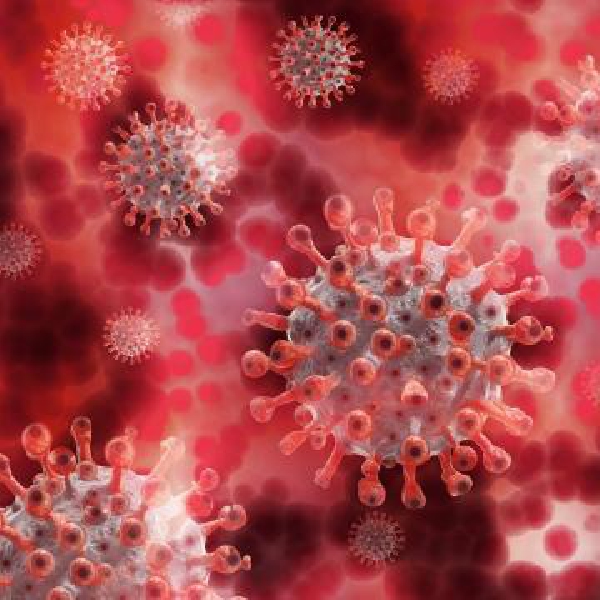
The pandemic has killed more than 6.9 million people
Covid-19 no longer represents a global health emergency, according to the World Health Organization.
It's a major step towards the end of the pandemic that has killed more than 6.9 million people, disrupted the global economy and ravaged communities.
"Yesterday, the Emergency Committee met for the 15th time and recommended to me that I declare an end to the public health emergency of international concern. I've accepted that advice.
"It's therefore with great hope that I declare Covid-19 over as a global health emergency," said WHO Director-General Tedros Adhanom Ghebreyesus.
The WHO's emergency committee first declared that Covid represented its highest level of alert more than three years ago, on 30 January 2020.
The status helps focus international attention on a health threat, as well as bolstering collaboration on vaccines and treatments.
Lifting it is a sign of the progress the world has made in these areas, but Covid-19 is here to stay, the WHO has said, even if it no longer represents an emergency.
The death rate has slowed from a peak of more than 100,000 people per week in January 2021 to just over 3,500 in the week to 24 April, according to WHO data.
 O'Connell Street Cleared After Major Garda Operation
 Galway Port Protest Cleared Following Garda Operation
 Rosslare Europort Faces Disruption Amid Fuel Protests
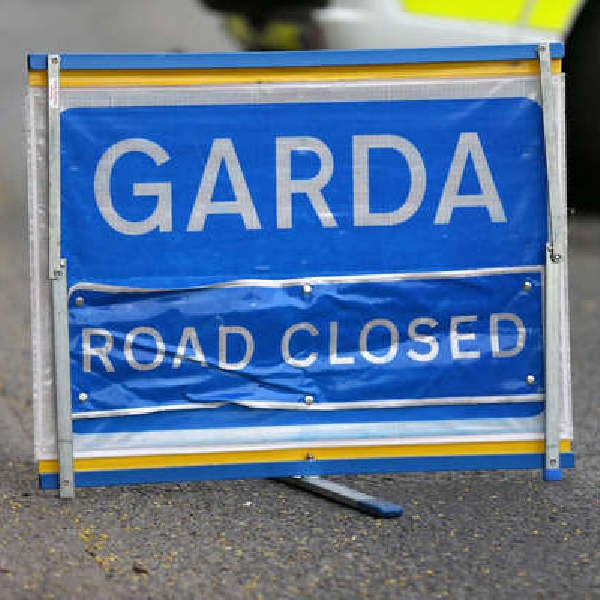 Fuel Protests Force Major Road Closures Across Leinster
 Artemis 11 Lands Safely
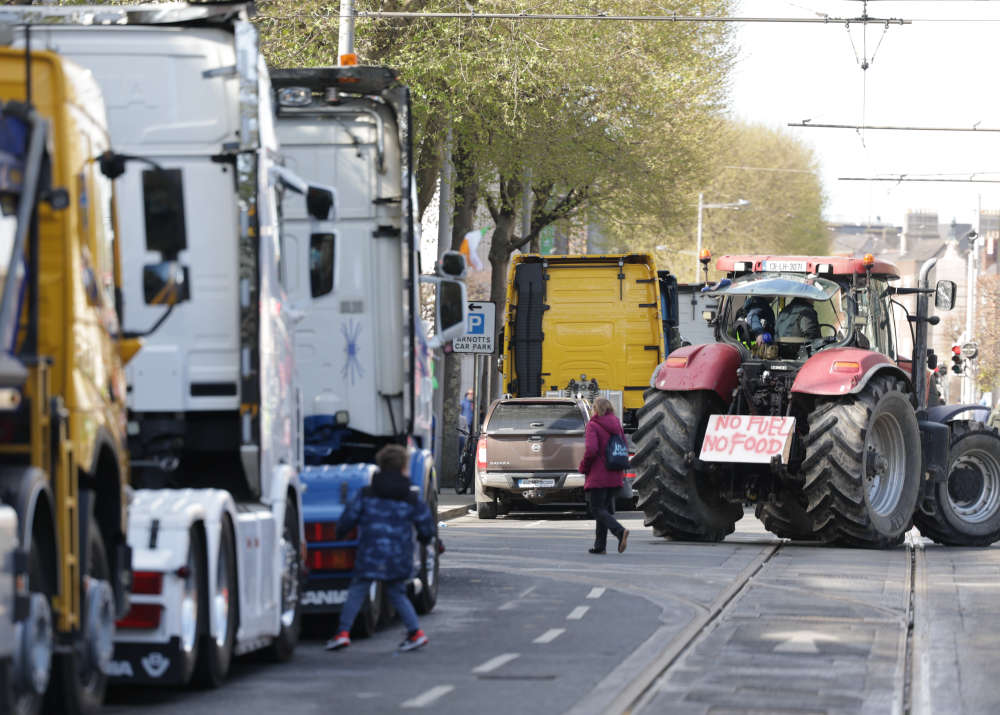 Fuel Blockades Continue
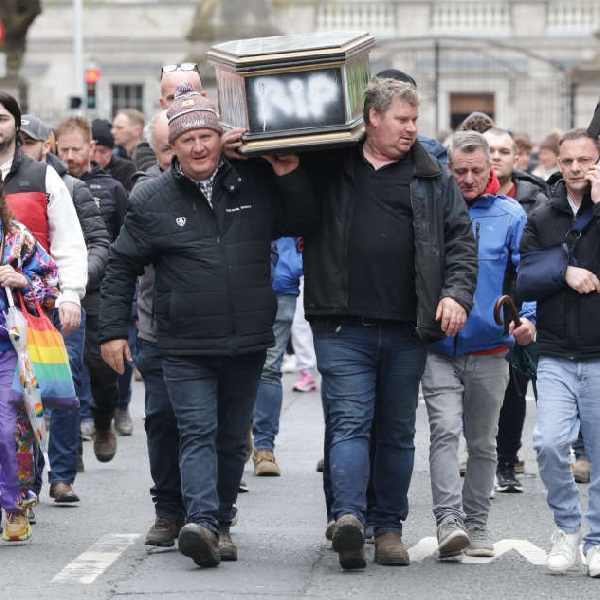 Protestors, Including Kildare's John Dallon, Refused Entry From Government And Agriculture Bodies Meeting
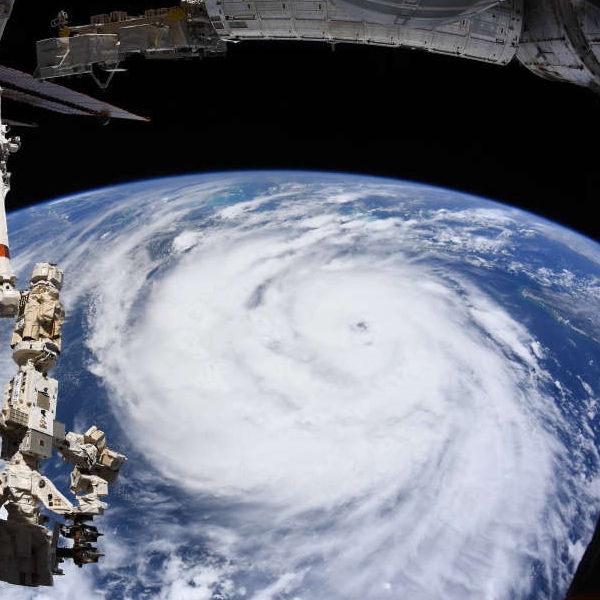 Artemis II Prepares To Splash Down Off US Coast