


Eighty-seven workers left the service in 2021 compared to 68 in 2017, The Irish Times Reports.
The Government are playing with people's lives by allowing the national ambulance service to be underfunded and understaffed, according to Socialist Party TD Mick Barry.
The Irish Times reports, some 78.6% of call outs for cardiac or respiratory arrests were responded to within 19 minutes in the first six months of 2021 but that the corresponding figure for this year is 72.6%.
More than 50% of non cardiac or respiratory arrest emergency calls were responded to within the 19 minute target time in the first six months of last year but the corresponding figure for this year is down to 42%.
Five years ago (2017/18) 13.6% of the national ambulance service workforce was made up of new recruits, last year (2021/22) the corresponding figure was 7.2%.
Eighty-seven workers left the service in 2021 compared to 68 in 2017.
Moreover, the HSE are displaying a lack of confidence in reversing the trends - a HSE presentation seen by the Irish concern that the 19 minute target for emergency cases other than cardiac or respiratory arrest may only be met in "considerably less than 40% of cases" by 2027.
Deputy Barry commented: "The national ambulance service has been hit hard by post-pandemic burnout.
"Staff were forced to work very high levels of overtime and there are now increasing levels of resignation from the service.
"What we need is a major increase in recruitment to the service - this is necessary now in the immediate short term if we want to avoid an even sharper crisis in service provision in the years ahead," he said.
 Nine Gaming Companies Under Investigation By CCPC
 Man Charged With Healy-Rae Assault Launches High Court Bail Application
 37% Of Young Men Partially Blame Rape Victims Who Were Under Influence Of Substances
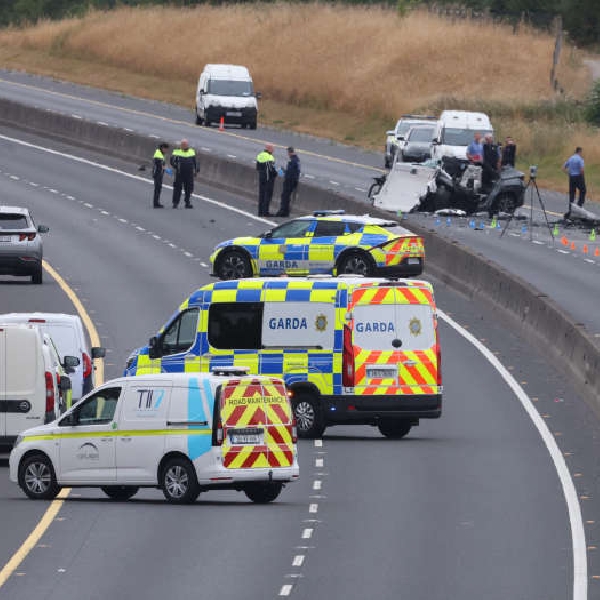 Under Ten Garda Driving Instructors Set To Complete Pursuit Course By End Of Year
 Some SIPTU Members Beginning Industrial Action Today
 FAI To Appear Before Oireachtas Sports Committee This Afternoon
 Six Men Arrested For False Imprisonment Of Another Man
 Man And Woman Charged With Perjury Over Conor McGregor Appeal