
Experts fear the move could push the UK into a worse recession than the 1930's
The Bank of England has increased the cost of borrowing by 0.75 percentage points to 3%.
That's despite predicting that higher interest rates would push the economy into the longest recession since the 1930s.
The central bank’s monetary policy committee (MPC) voted by a 7-2 majority for the biggest increase in rates since 1989 to combat an inflation rate that hit 10.1% in September.
The Bank blamed higher energy prices and a tight labour market for the decision to increase interest rates, matching rises in the last week by the US Federal Reserve and the European Central Bank.
The last time rates increased by more than 0.5% was in 1989.
Andrew Bailey, the bank governor, explains the reasoning behind the move:
 Taoiseach And Ministers To Travel To New York For UN General Assembly
 Google Fined €403M Over Handling Of Location Data
 Occupied Territories Bill Comes Into Effect
 Revolut Scammed After Passing On Data To "Unauthorised Third Party"
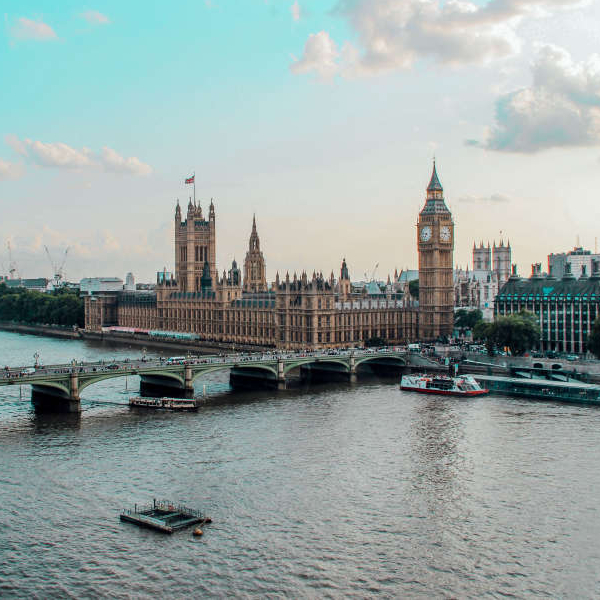 "Westminster's Time Is Coming To An End": SF, SNP, And Plaid Cyrmu Call On British Government For Constitutional Change
 Man With Kildare Roots To Be Remembered At 9/11 Commemorations In New York Today
 Russian Ambassador Says Irish Government "Cannot Be Treated As A Friendly One"
 Trump Expected To Visit President Connolly Next Week