

That's according to the latest research by the ESRI.
Single parents are at greatest risk of fuel poverty.
The latest research by the ESRI says having "low education levels, low income levels, and having darkness or dampness in the dwelling increases the probability of being fuel poor."
Among income-poor households, fuel-poor households have the lowest income levels, have issues with dampness, and are less
llkely to have double glazing in their dwellings compared to other income-poor households.
The estimates show that a 1% increase in fuel prices for residential heating due to carbon taxation will raise the proportion of people experiencing fuel poverty from 11.5% to 12%.
The research also finds that while increases in lump-sum transfers are progressive (i.e., they benefit lower income households), increases in energy prices and in the amount of energy required to heat a dwelling have a relatively larger negative effect on lower-income households.
The results show that losses in real income as a result of increases in carbon taxes on fuel are key to understanding the link between fuel poverty and income poverty.
Miguel Tovar Reanos is a Research Officer at the ESRI.
He joined Clem Ryan on Wednesday's edition of Kildare Today.
 Water Outage In Place For Maynooth And Straffan Tomorrow
 Kfm Obituary Notices
 Nationwide Fuel Protest Continues Into Third Day
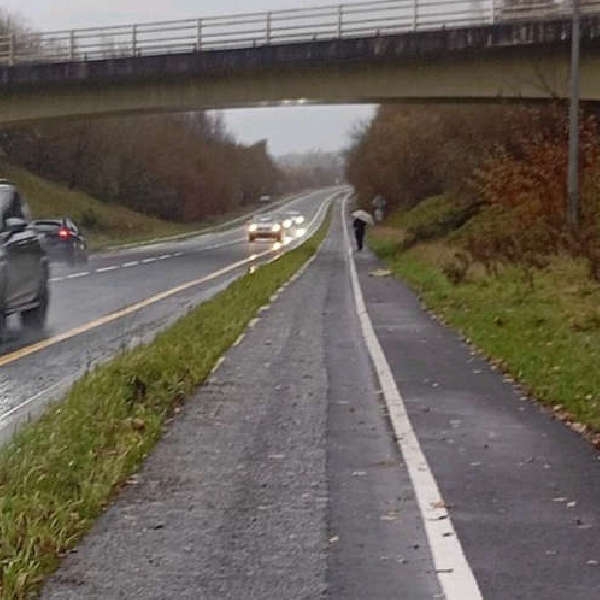 "I Don't Think Anybody Is Going To Really Listen To Us Until Somebody Dies On That Road": Criticism Of Moone-Timolin Cycleway Continues
 International Wholesale Prices Are "Not Price Gouging", Says CCPC
 Costs Of Home Heating Oil Up By 67.5 Per Cent Between February and March
 91-Year-Old Lelia Doolan To Arrive In Monasterevin Today As Part Of Her Walk For Peace
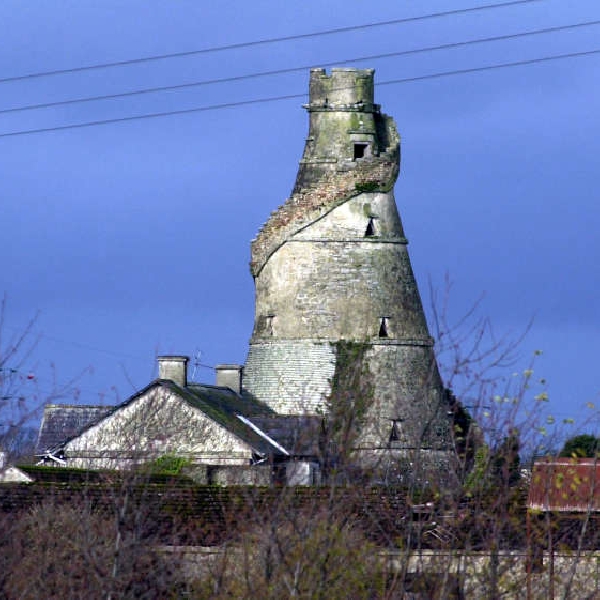 Over €400,000 Awarded To Repair And Protect Three Kildare Heritage Structures