

It follows research carried out by The National Women's Council and Trinity College Dublin
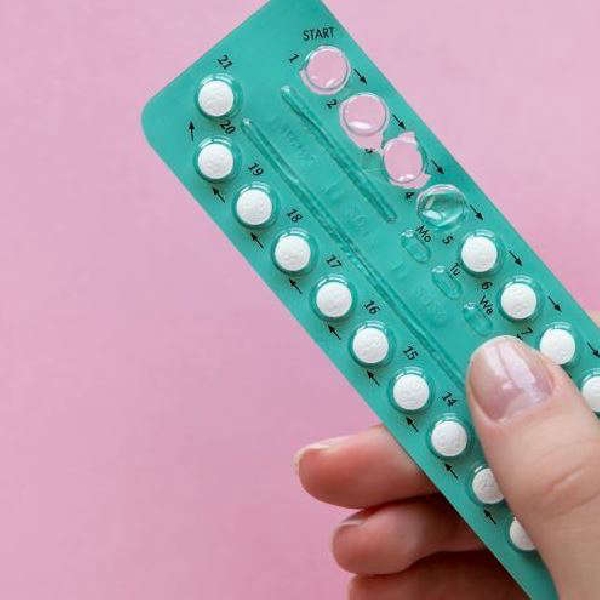
Nearly one in three women face barriers in accessing the Free Contraception Scheme.
That's according to research commissioned by the Department of Health and conducted by the National Women's Council and Trinity College Dublin.
The research surveyed a sample of 500 women and ran four focus groups with migrant women, LGBTIQ+ people, Traveller women and disabled women.
The Free Contraception Scheme was introduced in 2022 for women aged between 17 and 25, and was increased to 35 in July 2024.
Speaking on Kildare Today, Senior Policy Co-ordinator at The National Women's Council, Paula Pinzón Hernández disccussed the findings:
"Most of the women we talked to were disabled women, migrant women and women in the travelling community."
She found that the main barriers included age, needing to have a Personal Public Service (PPS) number, lack of accessibility to a GP, as well as misinformation and a lack of information surrounding the scheme.
Ms Pinzón Hernández also said that "migrant women often didn't know the contraception scheme existed".
"There is huge work to be done in providing targeted information,and in different formats that allow everyone to access the information."
 Daniel Kinahan Set To Apply For Bail
 Former Swimming Coach George Gibney Jailed For Over 15 Years For Sexual Abuse Of Children
 Robert Pether Returning To Ireland After Five-Year Iraqi Detention
 Over 23,000 Teachers Beginning Industrial Action Today
 New Funding Announced For Youth Services And Counselling In Kildare On World Mental Health Day
 Jury In Triple Murder Trial Of Louth Family Sent Home
 Appointment Cancellations Expected As Strikes To Take Place Next Week
 Families Face Delays Arranging Funerals Amid Pressure On Post-Mortem Services